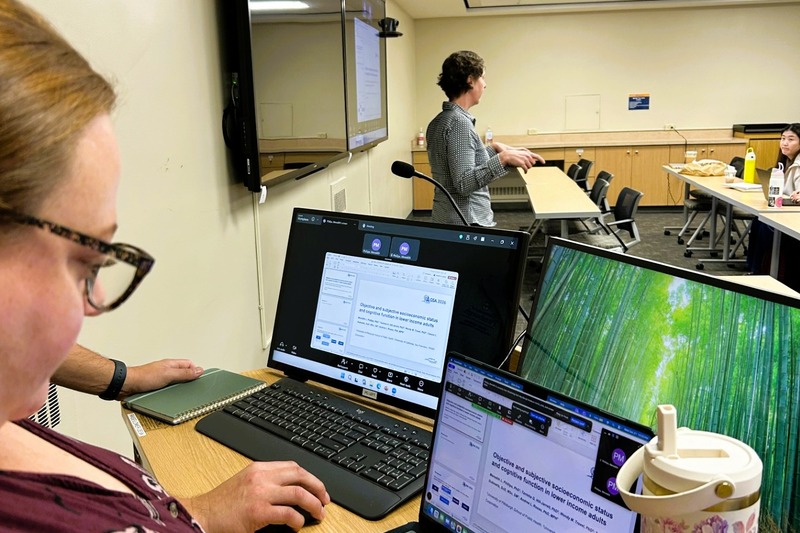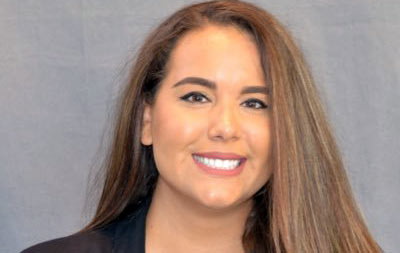
Plan to join in as Sara Godina presents at the ADRC Topics at Noon Series on Thursday, September 24th from 12-1
University of Pittsburgh
Alzheimer’s Disease Research Center &
University of Pittsburgh School of Medicine
Continuing Education in the Health Sciences
Topics at Noon Series – Fall 2020
12:00 noon – 1:00 pm
Join Zoom Meeting:
https://hipaa-pitt.zoom.us/j/96317089591
Meeting ID: 963 1708 9591 Passcode: 6cA19V
Dial in Audio Only: 877 853 5257 US Toll-free
Meeting ID: 963 1708 9591 Passcode: 568951
September 24, 2020
What factors explain racial differences in memory-related gray matter volume regions of interest among cognitively normal older adults?
Sara Godina, MPH
PhD Student
Department of Epidemiology
Graduate School of Public Health
Most studies indicate there are racial differences in the prevalence of Alzheimer’s Disease or other dementias, suggesting older Blacks are about twice as likely to have dementia as older whites. Incorporating neuroimaging measures is necessary to understand the neural pathology underlying the mechanisms of these racial disparities in the prevalence of dementia. However, limited data exists on neuroimaging outcomes among racially diverse adults of advanced age. Further, previous studies have been inconclusive regarding the association between race and brain volume among cognitively healthy adults. This seminar will present results from an ongoing project using the Health, Aging, and Body Composition Study (Health ABC study) examining racial differences in memory-related gray matter volume regions of interest and whether these relationships are explained by demographic, environmental, or psychosocial factors. The importance of considering enrollment factors demonstrated to differ by race in studies of cognitive aging will be discussed, along with strategies to improve generalizability of findings.
Target Audience: physicians, scientists, psychologists, nurses, social workers, clinical and research trainees and other health and research professionals.
Educational Objectives: By the end of this presentation, attendees will be able to:
- Explore the relationship between demographic, environmental, and psychosocial factors and gray matter volume among cognitively healthy older adults in the Health ABC study
- Understand source of recruitment as a selection bias in cognitive aging studies
- Discuss analytical approaches to address selection bias in epidemiological research